
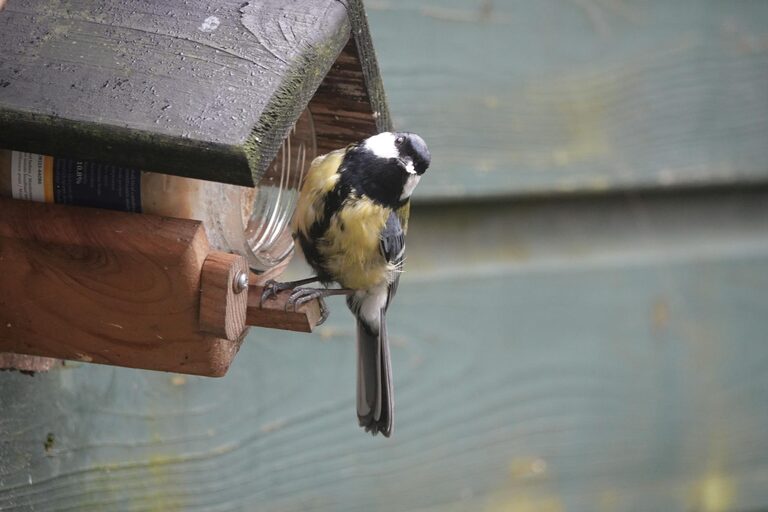
Birdwatching is a rewarding hobby that brings you closer to nature right in your own backyard. Whether you live in a city or the countryside, observing birds can be a peaceful and educational activity. If you’re new to birdwatching, this guide offers straightforward tips to help you get started, attract local birds, and enjoy the experience to the fullest.
Why Backyard Birdwatching?
Birdwatching doesn’t require expensive equipment or travel to remote places. Your backyard can become a lively spot filled with colorful birds and interesting behaviors. Watching birds can increase your appreciation for the environment, encourage mindfulness, and provide hours of entertainment.
Getting Started: What You Need
Basic Equipment
– Binoculars: A good pair of binoculars helps you see birds clearly without disturbing them. Look for lightweight models with 6x or 8x magnification.
– Field Guide or App: Identifying birds is easier with a field guidebook or a smartphone app featuring local species and photos.
– Notebook: Keep track of the birds you see, noting species, numbers, and behaviors. This practice improves bird identification skills.
Setting Up Your Space
Create a welcoming environment in your backyard to attract birds:
– Feeders: Different birds prefer different foods. Start with a basic feeder with black oil sunflower seeds, which appeal to many species.
– Water Source: A birdbath or shallow dish with fresh water provides birds with drinking and bathing opportunities.
– Shelter: Plant shrubs, trees, or install nest boxes to offer birds shelter and nesting sites.
Tips to Attract More Birds
Choose the Right Food
– Use quality bird seed mixes or specific seeds favored by local birds.
– Consider suet or nuts during colder months to provide extra energy.
– Avoid foods with fillers or artificial ingredients.
Offer Fresh Water
Birds need water year-round. Keep birdbaths clean and refill them regularly, especially during hot or freezing weather.
Provide Natural Cover
Dense shrubs, trees, and native plants offer birds protection from predators and harsh weather. Planting native species also supports local insect populations that birds feed on.
Be Patient and Observant
Birds are sensitive and may take time to visit your feeders or birdbaths. Spend time quietly watching and learn bird habits to know the best times to observe them.
Learning to Identify Birds
Key Features to Notice
– Size and Shape: Compare the bird to common reference points, like a sparrow or robin.
– Color Patterns: Take note of colors and markings on the head, wings, and tail.
– Behavior: Observe feeding habits, flight patterns, and calls.
– Habitat: Some birds prefer trees, while others forage on the ground or near water.
Using a Field Guide or App
Field guides provide illustrations and descriptions, while apps often include sounds and location data. Both are valuable tools for beginners.
Birdwatching Etiquette
– Stay quiet and move slowly to avoid startling birds.
– Don’t handle wild birds or nests.
– Keep pets away from bird feeding and nesting areas.
– Respect private property if birdwatching outside your yard.
Simple Birdwatching Activities for Beginners
Keep a Bird Journal
Recording your sightings helps you track bird species over time and notice seasonal changes.
Photograph Your Feathered Friends
Use a camera or smartphone to capture images. This can be a fun way to improve identification skills, but avoid using flash.
Join a Local Birdwatching Group
Many communities have clubs or nature centers where beginners can learn more and go on guided walks.
Conclusion
Backyard birdwatching is an enjoyable, easy-to-start hobby that invites you to connect with nature daily. With a few simple tools and some patience, you can attract birds, learn to identify them, and find a peaceful retreat in your own outdoor space. Happy birdwatching!